
Chinkaiseki
Hachimangu
— Fertility Shrine —
Hilltop Ocean View
A Long History
Documented in Japan's
Oldest Chronicles
📍Quick Guide
▶︎For those visiting Chinkaiseki Hachimangu
Directions to Chinkaiseki Hachimangu
[Shrine Office Hours] 9:00 AM - 5:00 PM
Share your memories on Google Reviews.
▶︎For those visiting Hakoshima Shrine
Directions to Hakoshima Shrine
Hakoshima Shrine's Goshuin is awarded at Chinkaiseki Hachimangu Shrine
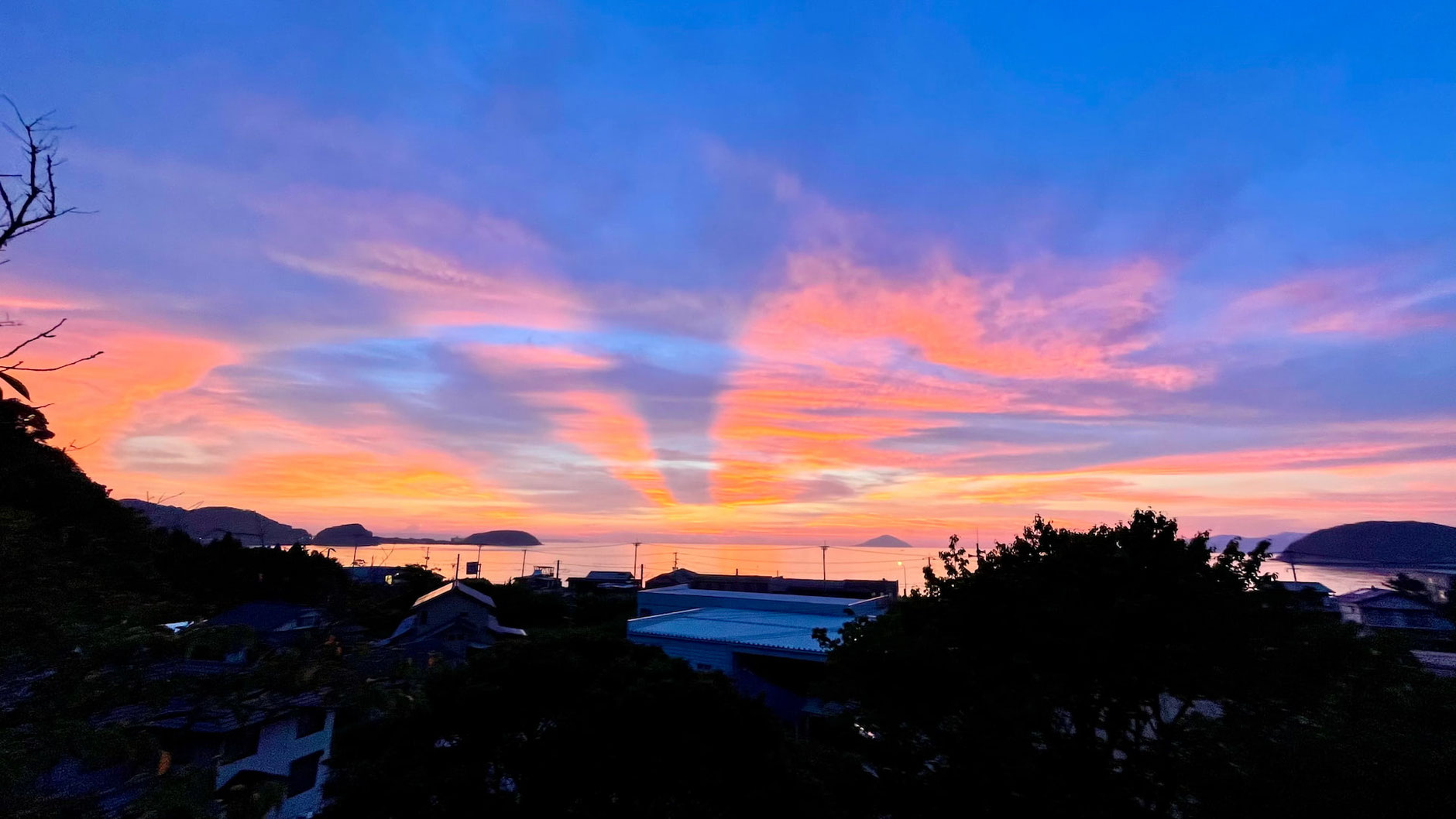
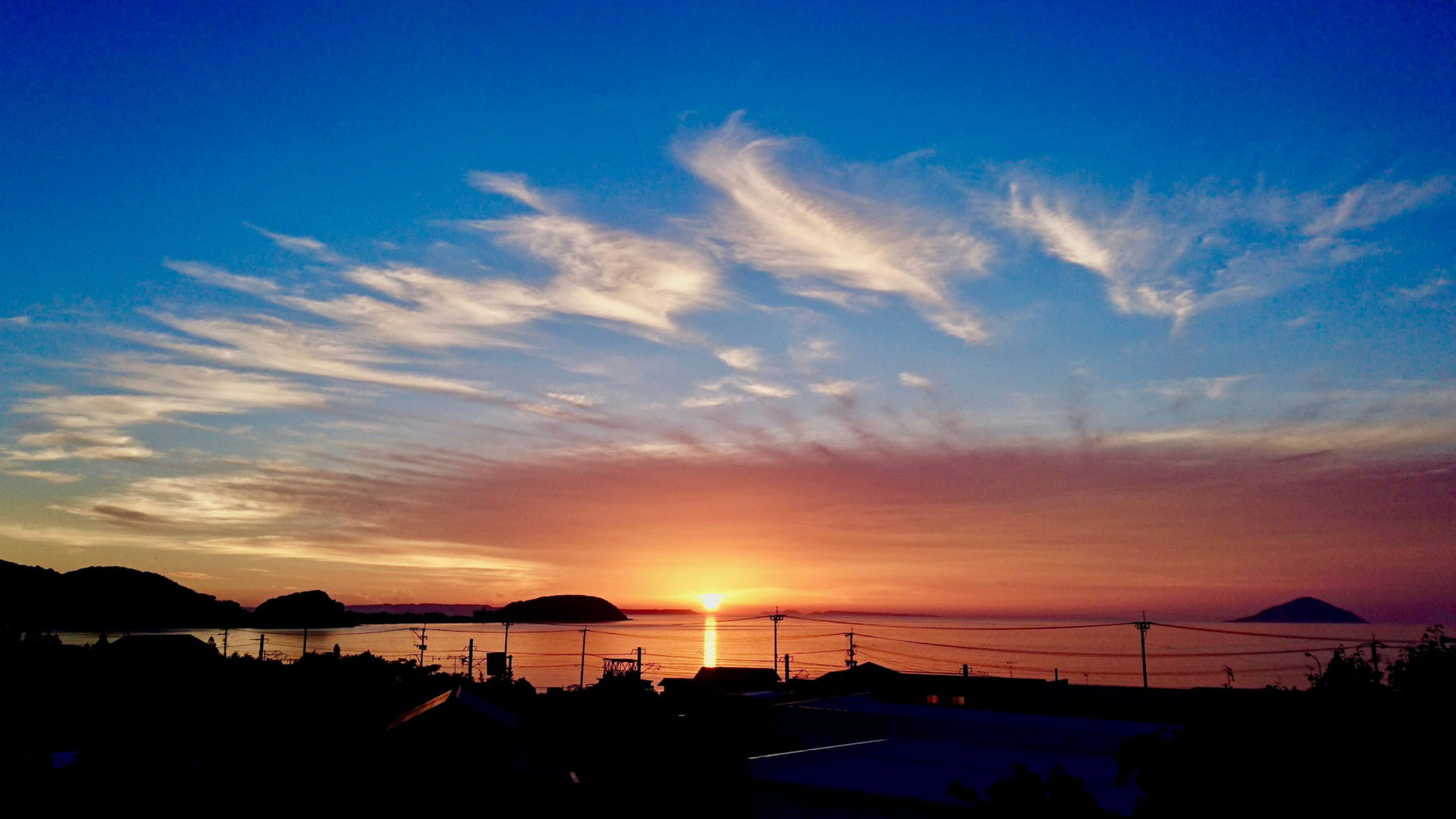
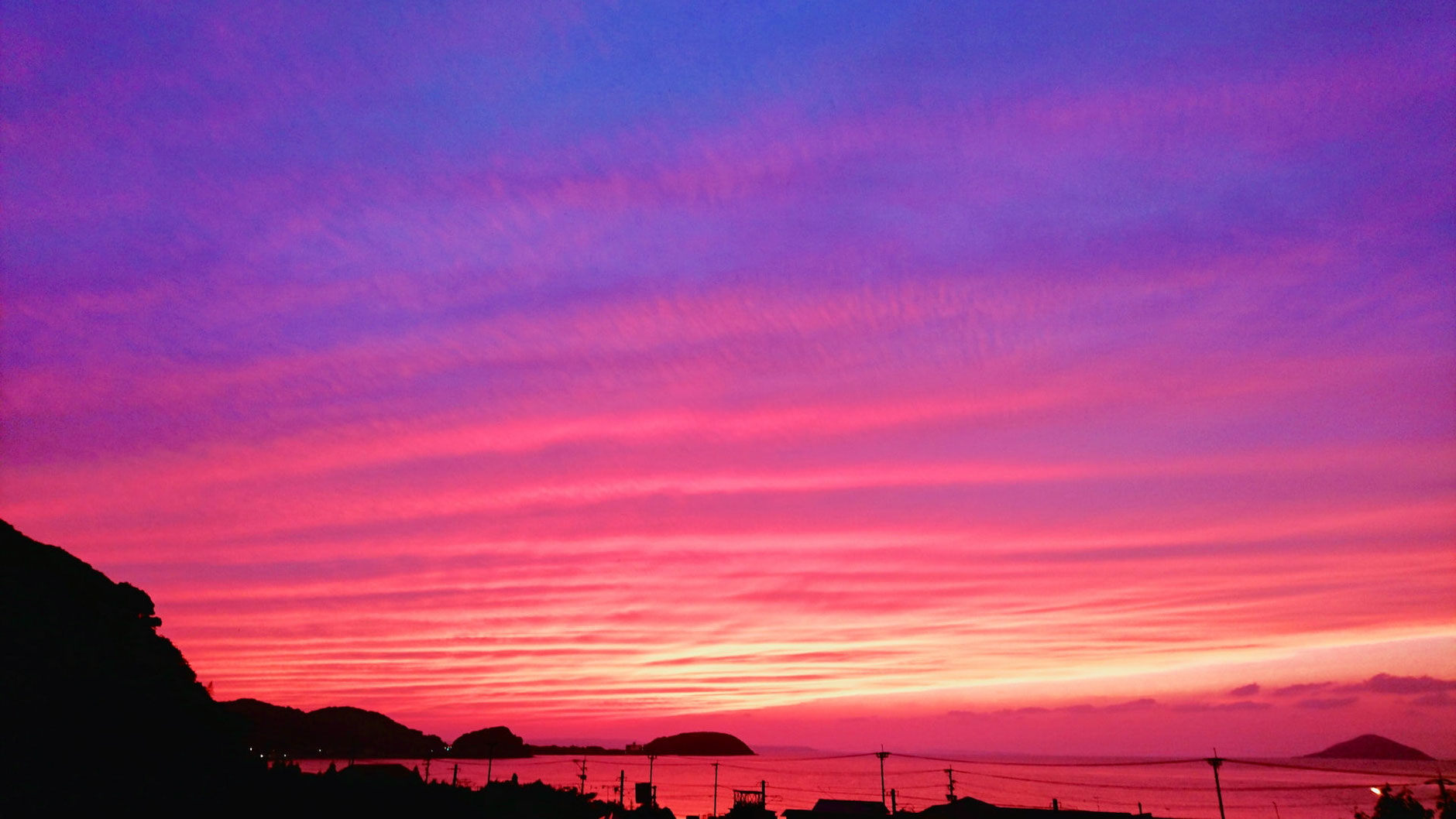
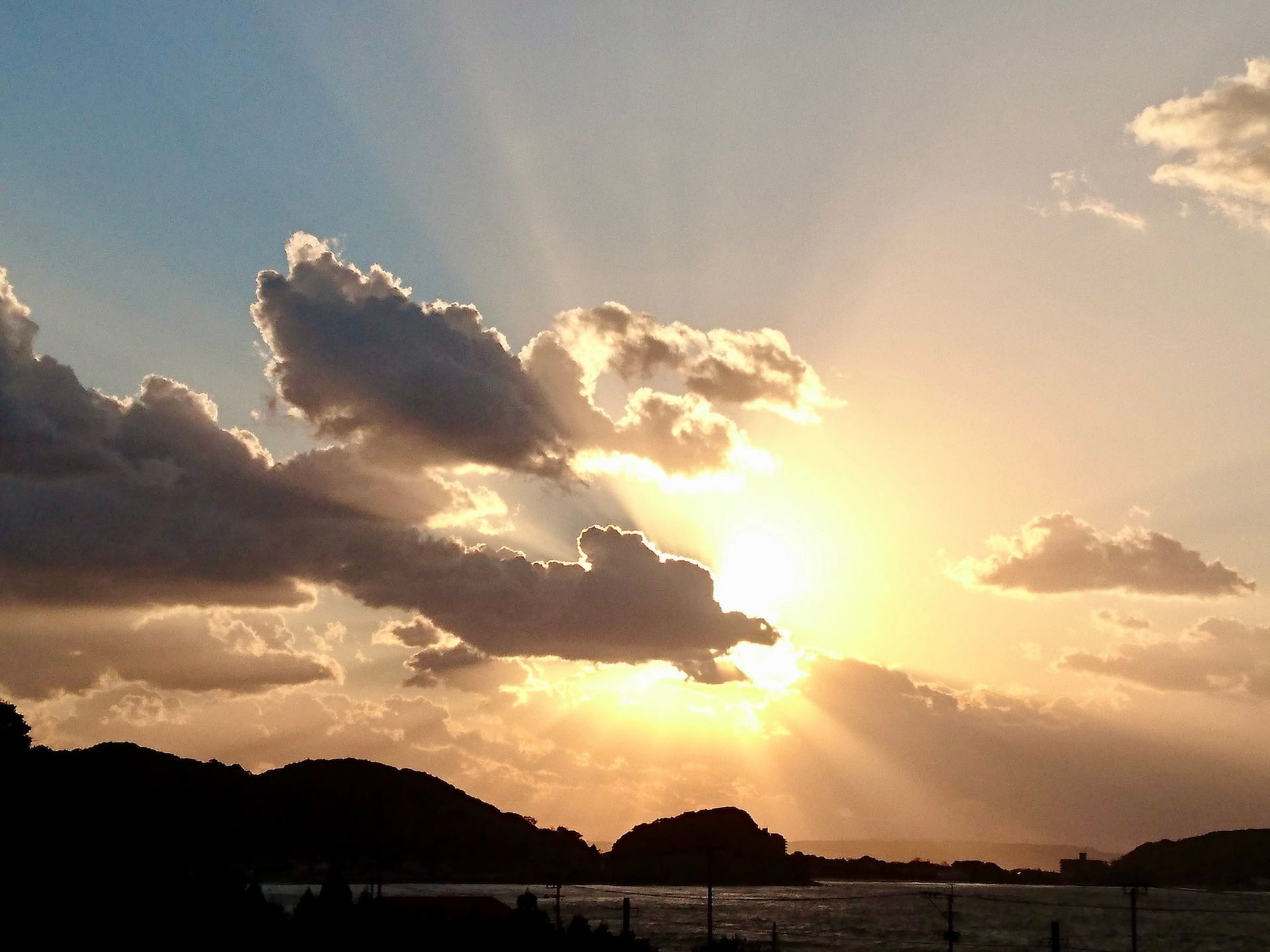
Mystical View from the Sacred Hill

About Chinkaiseki Hachimangu
Chinkaiseki Hachimangu Shrine: A Journey Through History and Beauty
This historic shrine stands on a hill overlooking the sea in Itoshima City, Fukuoka Prefecture.
With its deep-rooted history and breathtaking scenery, it is a must-visit destination for anyone exploring the shrines and sights of Itoshima.
ANCIENT HISTORY
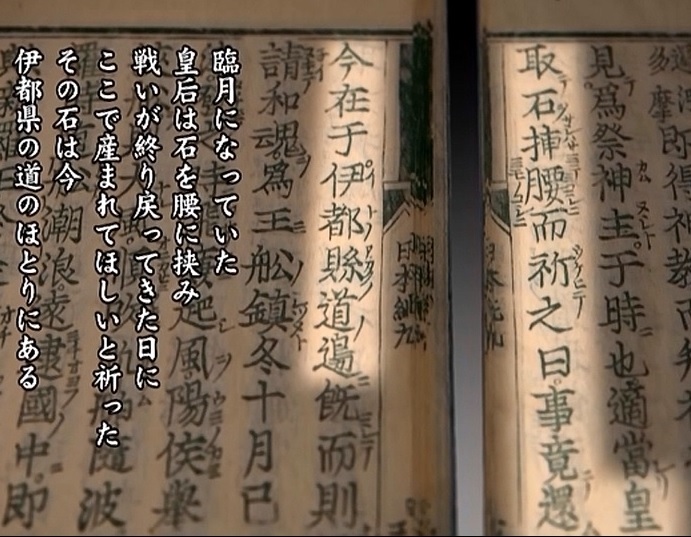
• 1,800 Years of Legend: The shrine’s origins date back approximately 1,800 years, tied to the legend of Empress Jingu. According to legend, during an overseas expedition, she held "Chinkaiseki" (soothing stones) against her body to delay childbirth and prayed for a safe delivery upon her return.
• A Nationally Rare Heritage: This sacred history is documented in Japan’s oldest chronicles, the Kojiki and Nihon Shoki. The only shrine in Itoshima City mentioned in all three ancient books—the Kojiki (712), Nihon Shoki (720), and Manyoshu (729) —is Chinkaiseki Hachimangu Shrine. It is extremely rare among the 80,000 shrines nationwide and possesses very high historical value.
• Kyushu's Oldest Monument: The shrine features the oldest Manyo stone monument in Kyushu, inscribed with a poem by the famous poet Yamanoue no Okura.
• Divine Blessings: The deities enshrined here, including the sacred stones, are worshipped for blessings in fertility, safe childbirth, and good fortune.
SPECTACULAR SCENERY
• Castle-like Stone Wall: Built upon 20-meter-high towering stone walls reminiscent of a castle, the shrine is a renowned scenic spot offering views of the Itoshima sea.
• Miraculous Sunsets: In the evening, you will be deeply moved by the breathtaking union of the sunset and evening glow—a spectacular scenery created by a miracle of nature.
Explore our sacred Japanese Charms (Omamori) & Blessings

Exquisite and Charming Charms
There are amulets: Guidance Charm for Good Fortune, Safety, Victory, Fertility/Conception, and Safe Childbirth.
Table of Contents
[ Ancient History ]
[ Spectacular Scenery ]
[ Media, Events ]
<History>
One of the Oldest Shrine
Appears in the Oldest Books 1300 years ago
1800th & 1300th Anniversary
*The history of Chinkaiseki Hachimangu dates back to the Chinkaiseki legend 1,800 years ago, and it is an ancient shrine that is recorded in the Kojiki, Nihon Shoki, and Manyoshu from 1,300 years ago.
[2000] 1800th anniversary of the Legend of Chinkaiseki stones (200)
[2012] 1300th anniversary written in Kojiki (712)
[2020] 1300th anniversary written in Nihon Shoki (720)
[2029] 1300th anniversary written in Manyoshu (729)
[2059] 200th anniversary of Kyushu's oldest Manyo Tanka inscription (1859)
[2085] 400th anniversary of the castle wall (1685)
Appears in the Kojiki, Nihon Shoki, and Manyoshu
<A Shrine with a Long History>
Chinkaiseki Hachimangu Shrine is a precious shrine mentioned in three of Japan's oldest books: the Kojiki (712 AD), the Nihon Shoki (720 AD), Japan's oldest history book, and the Manyoshu (729 AD), Japan's oldest collection of Japanese poetry. It is one of the oldest shrines in Japan.
The Manyoshu, compiled in 729, mentions a place name, "Kobu-ga-hara," which derives its name from the legend of the Chinkaiseki (Koubu-ishi, or Child-Birth Stone). This indicates that the legend has been passed down since a time much older than the Manyoshu.
<Shrines Enshrining "Chinkaiseki" Stones>
The "Chinkaiseki" refers to an egg-shaped stones that Empress Jingu is said to have wrapped around her belly to pray for a safe delivery. Legend says that while pregnant, Empress Jingu carried the stone to the battlefield to delay childbirth, and she successfully gave birth to Emperor Ojin.
In 200 AD, while pregnant with Emperor Ojin, Empress Jingu passed through this area on her way to battle. She carried two beautiful egg-shaped stones close to her body, praying for a delay in childbirth and calming her belly and mind.
Her wish was granted, and upon her return, she safely gave birth to Emperor Ojin in Umi village.
Because the stone calmed her belly and mind, it is called the Chinkaiseki, and the belief in its blessings for fertility and safe childbirth has been passed down through the ages.
"Kobu-ga-hara" Sacred Hill Where Gods Dwell

The Hill Where The Gods Dwell
A Historic Place Whose Place Name "Kobu-ga-hara" Is Inspired by the Legend of Empress Jingu.
Chinkaiseki Hachimangu Shrine is located in Kobu-ga-hara, Fukae.
In ancient times, Chinkaiseki was called Mikoubu-ishi. This name was corrupted to Koubu-ishi, and eventually became the place name Kobu-ga-hara.
Mikoubu-ishi(stones) ➡ Koubu-ishi(stones) ➡ "Kobu-ga-hara" (place name)
The Oldest Man'yoshu Monument in Kyushu

The Oldest Manyo Tanka Inscription in Kyushu (1859 Edo Era)
Itoshima City Designated Cultural Property
A poem about the Chinkaiseki stones, written by the poet Yamanoe no Okura in 729, is included in the Manyoshu anthology.
"May this mysterious spirit be spread out, so that heaven and earth may continue to speak together forever."
[Modern Translation]
This sacred stone, endowed with mysterious powers, was enshrined here, so that heaven and earth may continue to speak together forever. And this place (Kofuhara) may be protected by the divine spirit.
A stone monument commemorating this Man'yoshu poem was erected in 1859 during the Edo period. It is the oldest Man'yoshu poem monument in Kyushu and is registered as a tangible cultural property designated by Itoshima City.
▶︎The original text, a modern translation, and a rubbing can be found on the History page.
Deities & Divine Blessings
Main Shrine, Sub Shrines
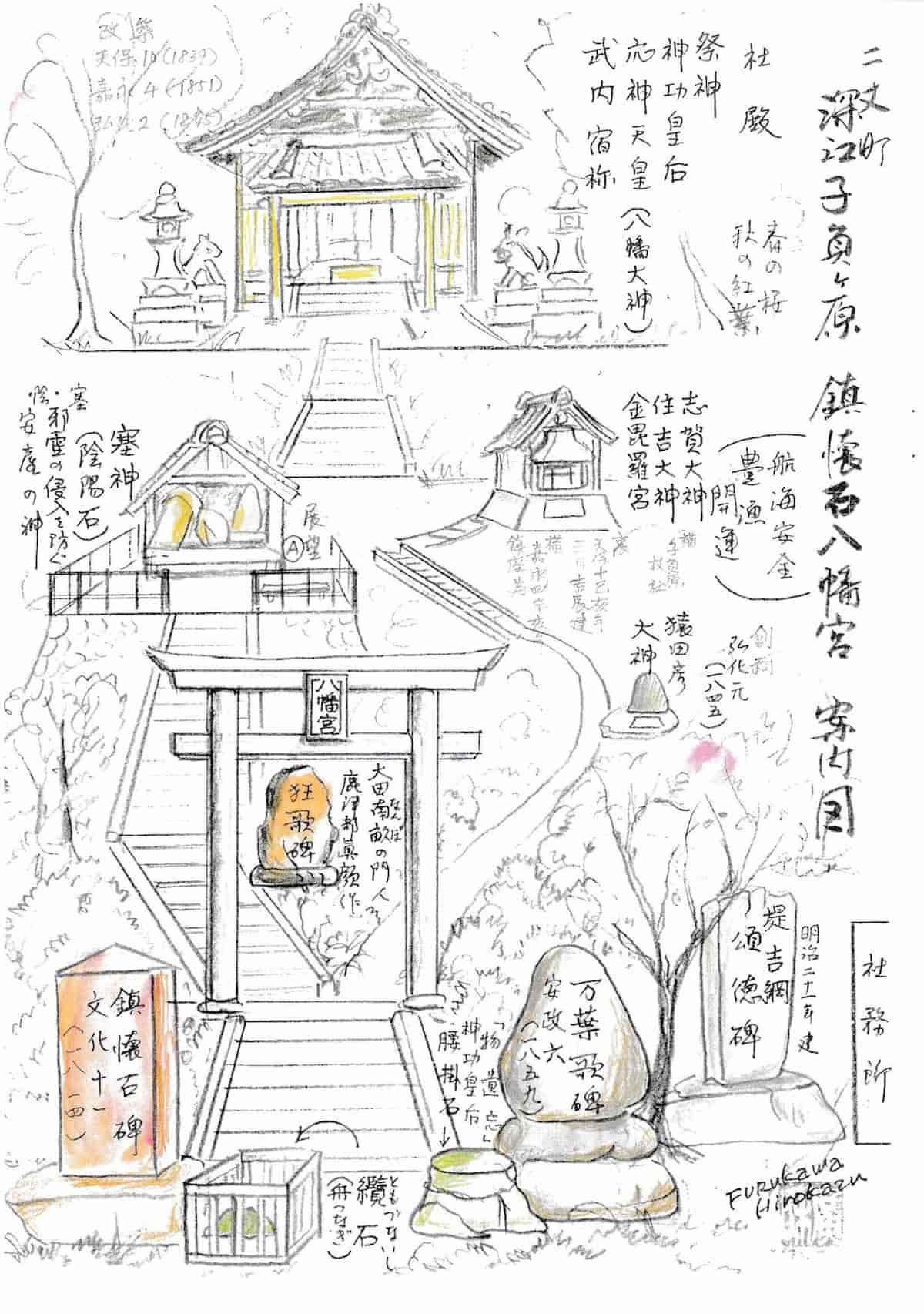
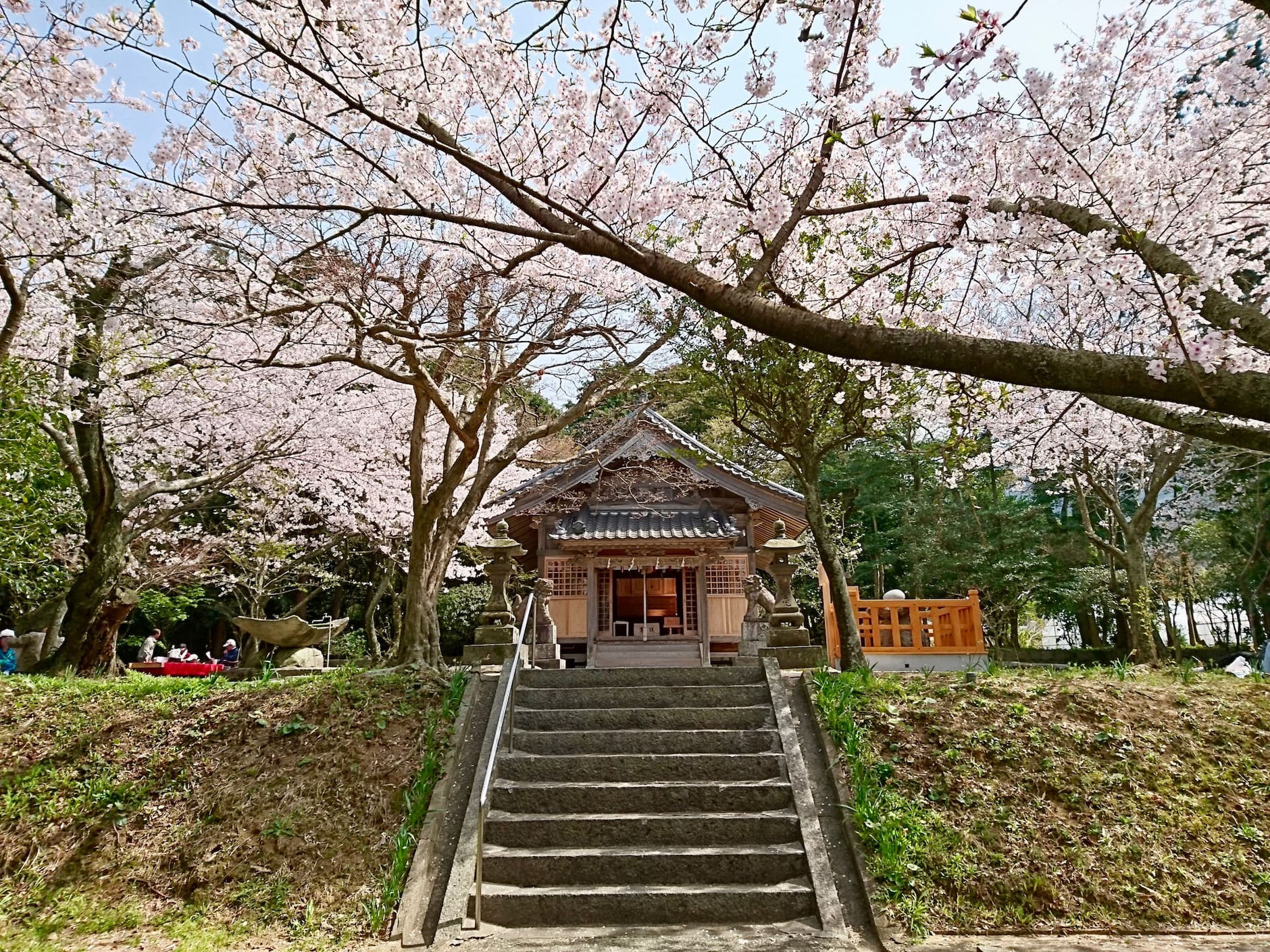
Chinkaiseki Hachimangu, Main Hall
God of Childbirth and Good Fortune
Main Shrine at Top of the Hill
[Empress Jingu (Mother)] God of fertility and safe childbirth
[Emperor Ojin (Son)] Hachiman deity of military luck, victory, and good fortune
[Takeuchi no Sukune]
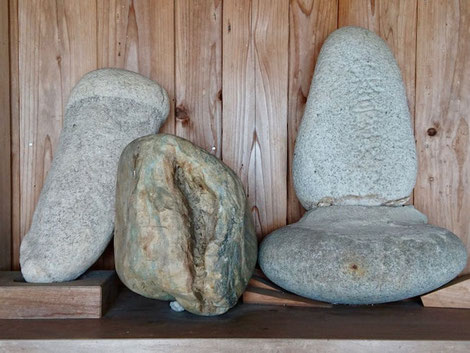
Yin Yang Stone & Sae-no-kami
Fertility Sacred Stone
Shrine at the Scenic Overlook
[Yin Yang Stone] God of Fertility/Child-Giving
[Sae-no-kami] Guardian Deity of the Area
[Yin Yang Stone] These stones are revered and expressed in gratitude for the divine gift of creation and nurturing, which allows all living things to be born and raised by the mysterious spiritual power of yin and yang. They are worshipped by people praying for children and safe childbirth.
[Sae-no-kami]: The three deities of Sae-no-kami (Sae-no-kami): Yawatahiko-no-kami, Yawatahime-no-kami, and Kunato-no-kami. They have long been enshrined at village boundaries and forks in the road, and are known for their divine virtue of preventing the intrusion of evil-bringing gods and protecting the village. They are also known as Sae-no-kami (Gods of the Barrier).
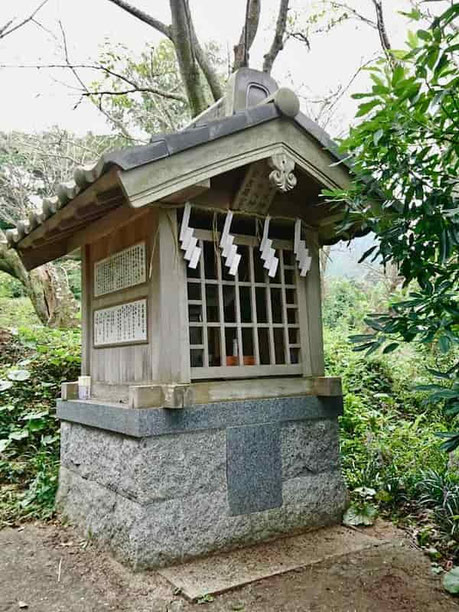
Konpiragu Shrine
Good Fortune, Travel/Traffic Safety, Guardian Deity of the Sea
Enshrined on a Hill Overlooking the Fukae Sea
[Shiga-no-Okami] The enshrined deity of Shigaumi Shrine, located on Shikanoshima Island in Higashi Ward, Fukuoka City. Shiga-no-Okami is also revered as a dragon god.
[Sumiyoshi-no-Okami] The main deity of Sumiyoshi Shrine, the first shrine in Chikuzen, located in Sumiyoshi, Hakata Ward, Fukuoka City.
[Konpiragu Shrine] Konpira of Sanuki, Shikoku. Guardian of the sea (transportation, navigation), prosperous business, and financial luck.
All three deities have been worshipped since ancient times as gods of maritime protection, financial luck, good fortune, and guidance.
They were located along the coast as deities protecting the Fukae Sea (Fukae Beach).
FBS Fukuoka Broadcasting's "Mentai Wide" featured Konpira Shrine as a shrine for good fortune.
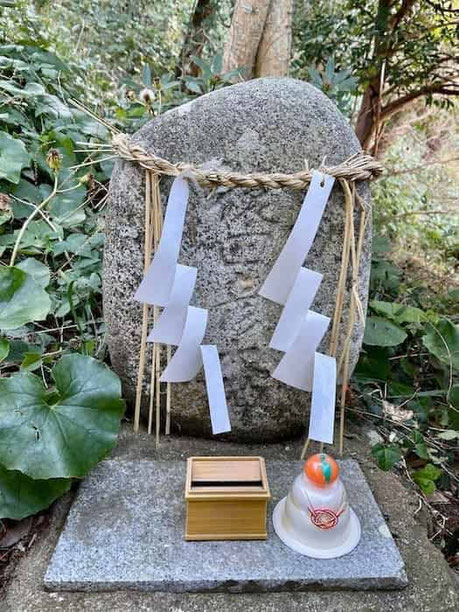
Sarutahiko Okami
God of Guidance
Sarutahiko god (stone at slope): God of guidance and opening the way.
Enshrined in August 1845.
This 50cm-tall stone deity is enshrined halfway up the stairs/slope.
According to Professor Hirokazu Furukawa, a local historian in Fukae, this is the cutest Sarutahiko deity enshrined in Itoshima.
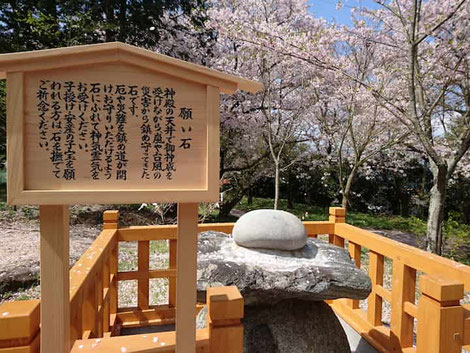
Wishing Stone that fulfills with with stroke
It is a mystical stone that has protected the shrine from disasters such as storms and typhoons on the ceiling of the shrine while receiving the divine power.
Please receive the divine power and spirit. Pray for protecting you against accident or bad luck, for paving the way and guidance.
For people who wish to have a baby, please stroke the stone and pray for pregnancy and safe childbirth.
Some women repeatedly place their hands on a stone and then on their stomach.
Sacred Items
Omamori, Lucky Charms
Exquisite and Charming Amulets
There are five types of amulets: Guidance Charm for Good Fortune, Safety, Victory, Fertility/Conception, and Safe Childbirth.
Goshuin Stamps

Goshuin
Chinkaiseki Hachimangu, Hakoshima Shrine
- 500 yen for one shrine, 1,000 yen for two shrines
- Goshuin paper will be provided.
▶︎Goshuin Stamps available here
* About Hakoshima Shrine (a shrine that also serves Chinkaiseki Hachimangu Shrine):
The goshuin stamp of Hakoshima Shrine can be obtained at Chinkaiseki Hachimangu, which is a 7-minute drive away.
▶︎Click here for a map of Hakoshima Shrine and parking information.
Office Hours: 9:00 AM - 5:00 PM
<Scenery>
20-Meter High Castle-like Stone Wall
Built in 1685, Era of Samurai

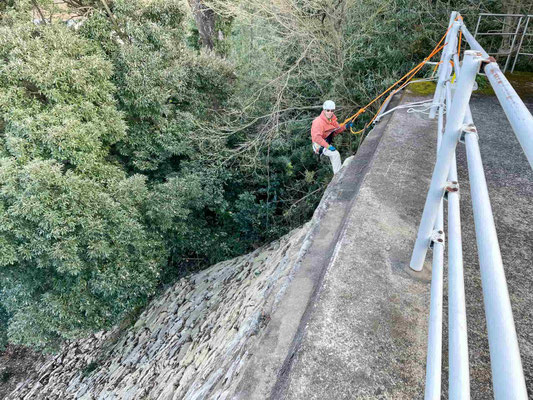
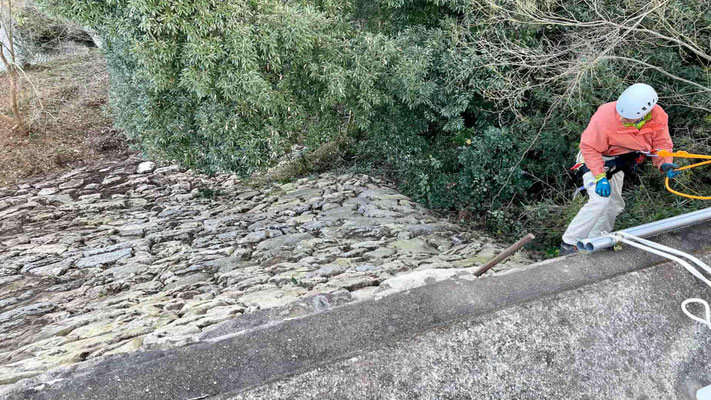
20-Meter-High Castle-like Stone Wall
The year 2085 will mark the 400th anniversary of the castle's construction.
During the Edo period, the lord of Karatsu Castle ordered Kuga Rokuro Toshinori to build a 20-meter-high stone wall like a castle. Construction began in 1682 and was completed in 1685.
Even if you don't go to the castle, you can see castle-like high stone walls by visiting Chinkaiseki Hachimangu Shrine.
Over the years, the stone wall have been collapsing, making large-scale repair work necessary.
Tourism Promotion Postcard Made by Railway Company
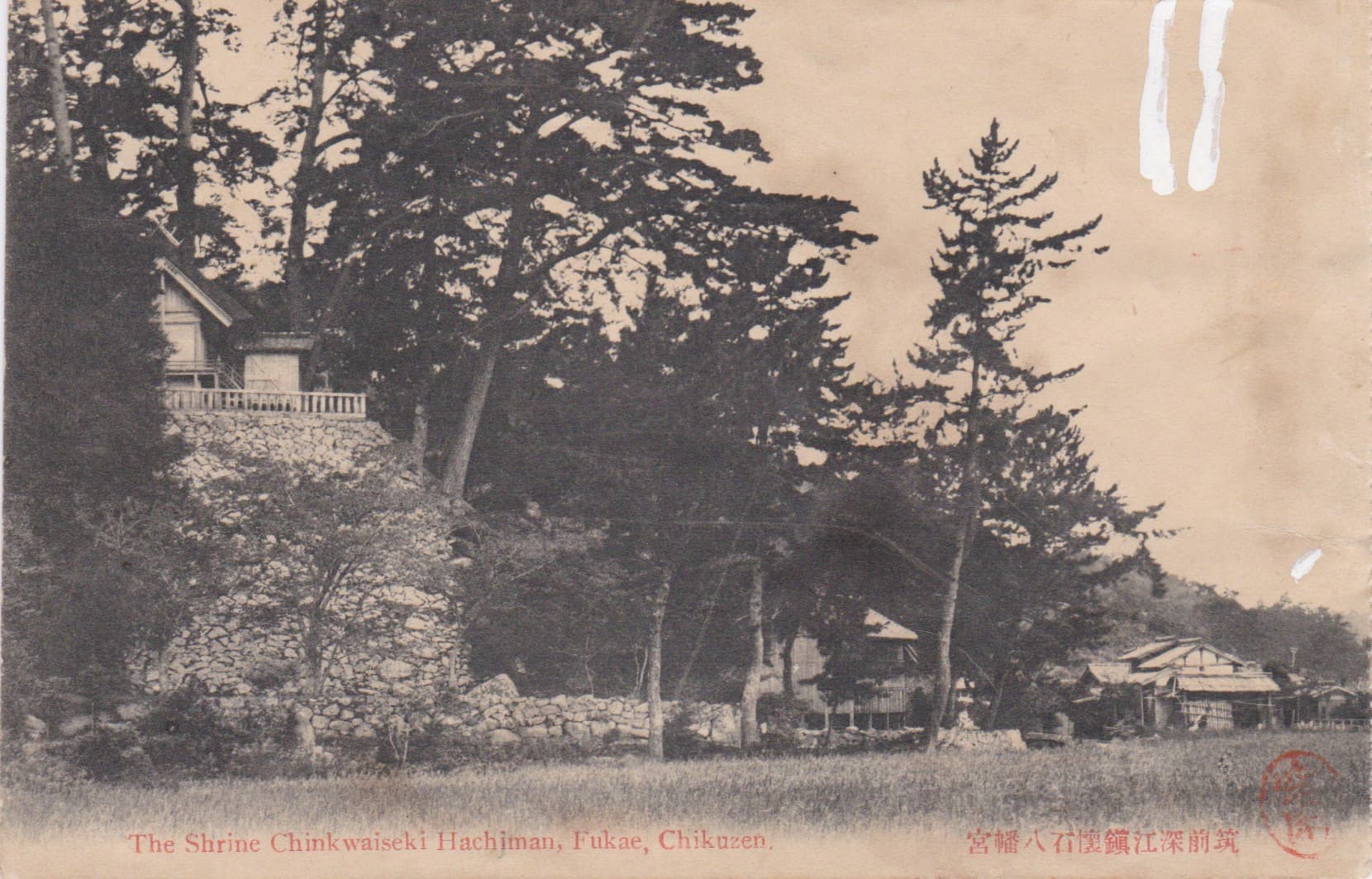
Picture Postcards Promoting Tourist Spots 100 Years Ago
The photo is a postcard from Kitakyushu Railway (later Japan National Railway, now JR).
In 1924, Kitakyushu Railway established Chikuzen-Fukae Station. In order to promote the use of trains, they created a picture postcard of Chinkaiseki Hachimangu as a tourist spot near Chikuzen-Fukae Station.
Stairway to Scenic Overlook
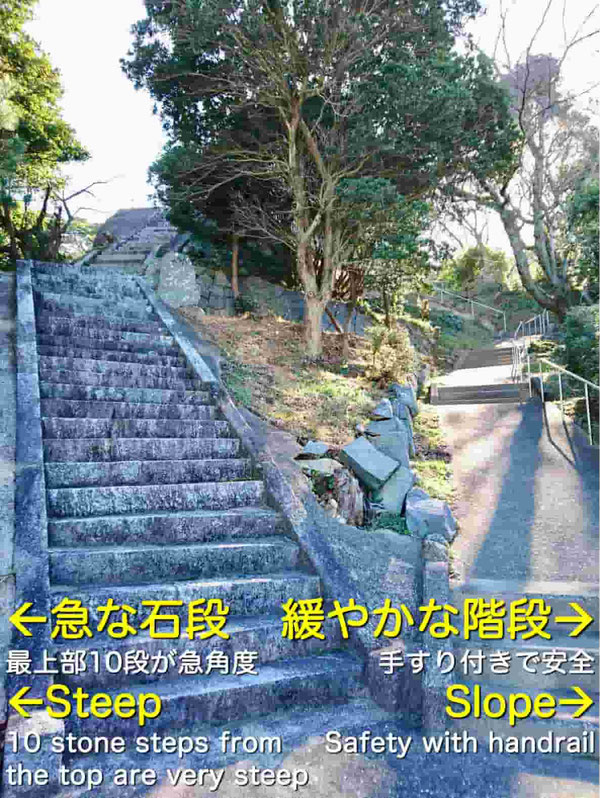
2 Approaches to the Scenic Overlook
- Left side is steep stairs.
- Right side is slope with hand rail. This slope is safe.
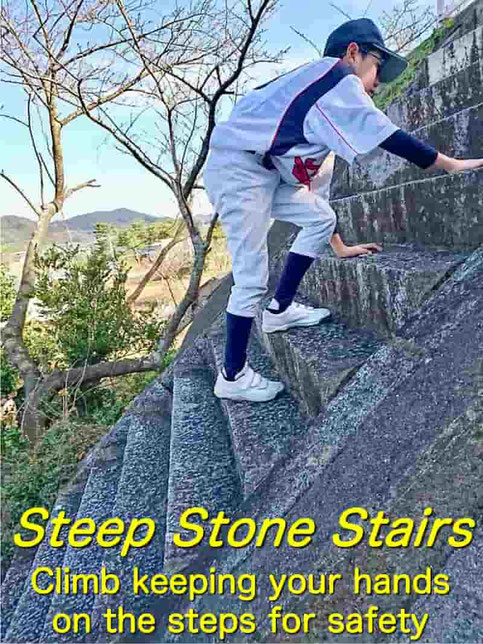
Steep Stairs Requiring Climbing on All Fours
Steep stairs on the left: The top is steep. Please hold on to the stairs for safety.
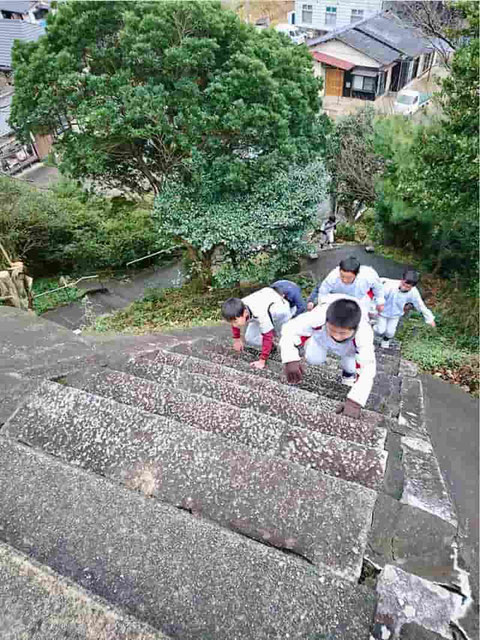
Stairway to Heaven
Steep steps on the left side: As 10 steps from the top are very steep, climb keeping your hands on the stairway for support and safety.
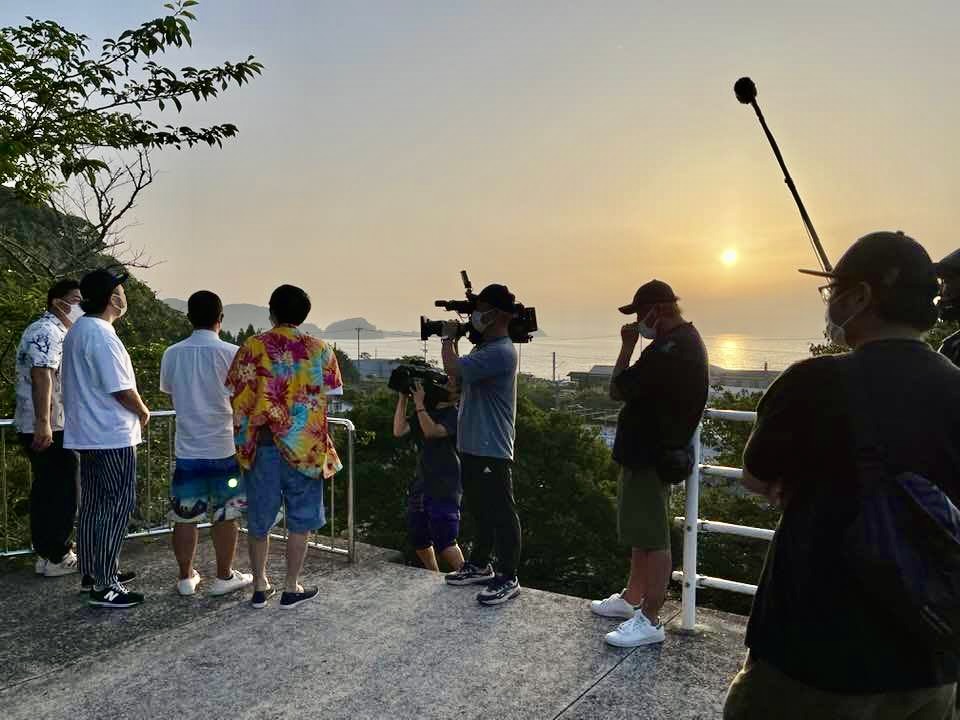
Scenic Overlook
Climbing the stairs leads to an observation deck where you can enjoy a spectacular view of the sea and the sunset.
The photo shows Chinkaiseki Hachimangu Shrine, which was featured on TVQ's "Want It!" as a sunset spot in Itoshima. (July 31, 2022)
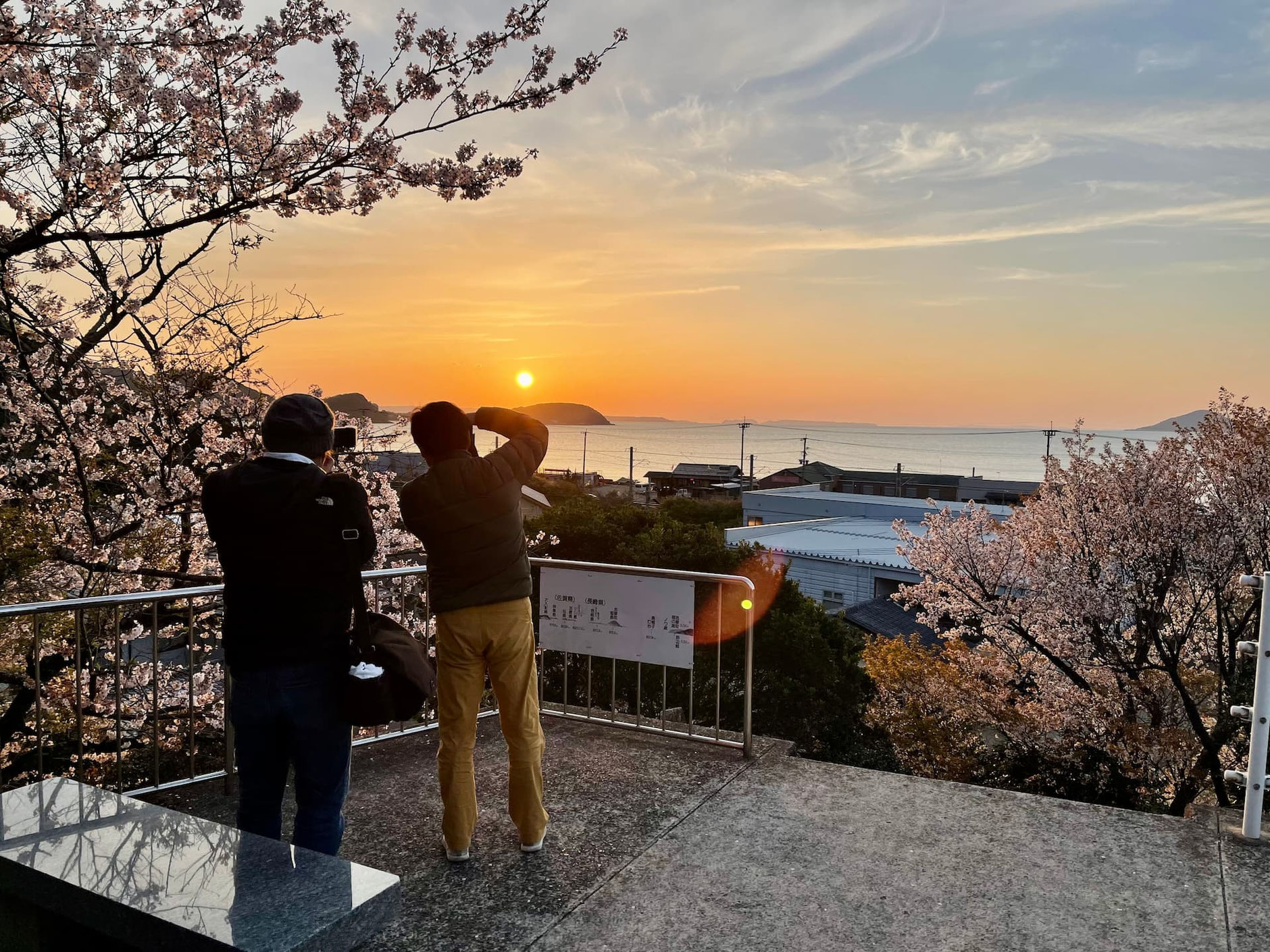
A Famous Cherry Blossom Viewing Spot
This is a famous cherry blossom viewing spot in Itoshima, where you can see cherry blossoms, the sea, and the sunset all at the same time from a hilltop.
In spring, you can enjoy the contrast between the beautiful flowers and the blue of the sea.
Spectacular Views of Sea & Sunset
Sunset, Miracle of Nature
View of the Hill Where the Spirits Reside
The hill on which Chinkaiseki Hachimangu sits is elevated, offering spectacular views of the ocean.
This hill is the location where Yamanoue Okura wrote a poem in the Manyoshu: "On a hill overlooking the sea there are two stones (divine spirits)."
From this hill you can enjoy a photographic view of the ocean and sunset, just as ancient people would have seen it.
Photo taken on April 24, 2017
"Nature’s Womb" at Fertility Shrine
A view of the sacred sunset, where the sun evokes "new life," the glowing orange clouds represent "amniotic fluid," and the surrounding white mists embrace the image of "the mother's womb."
Photo taken on August 22, 2017
Dragon Cloud Means Fortunate Omen
Dragon-shaped clouds are considered auspicious signs (harbingers of good fortune). Dragons are seen as symbols of development, advancement, and success due to their image of ascending to heaven.
The Konpira Shrine at Chinkaiseki Hachimangu Shrine enshrines Shiga-no-Okami (the dragon god) of Shigaumi Shrine. Konpira Shrine has been worshipped as the guardian deity of the sea.
Photo taken on March 22, 2020
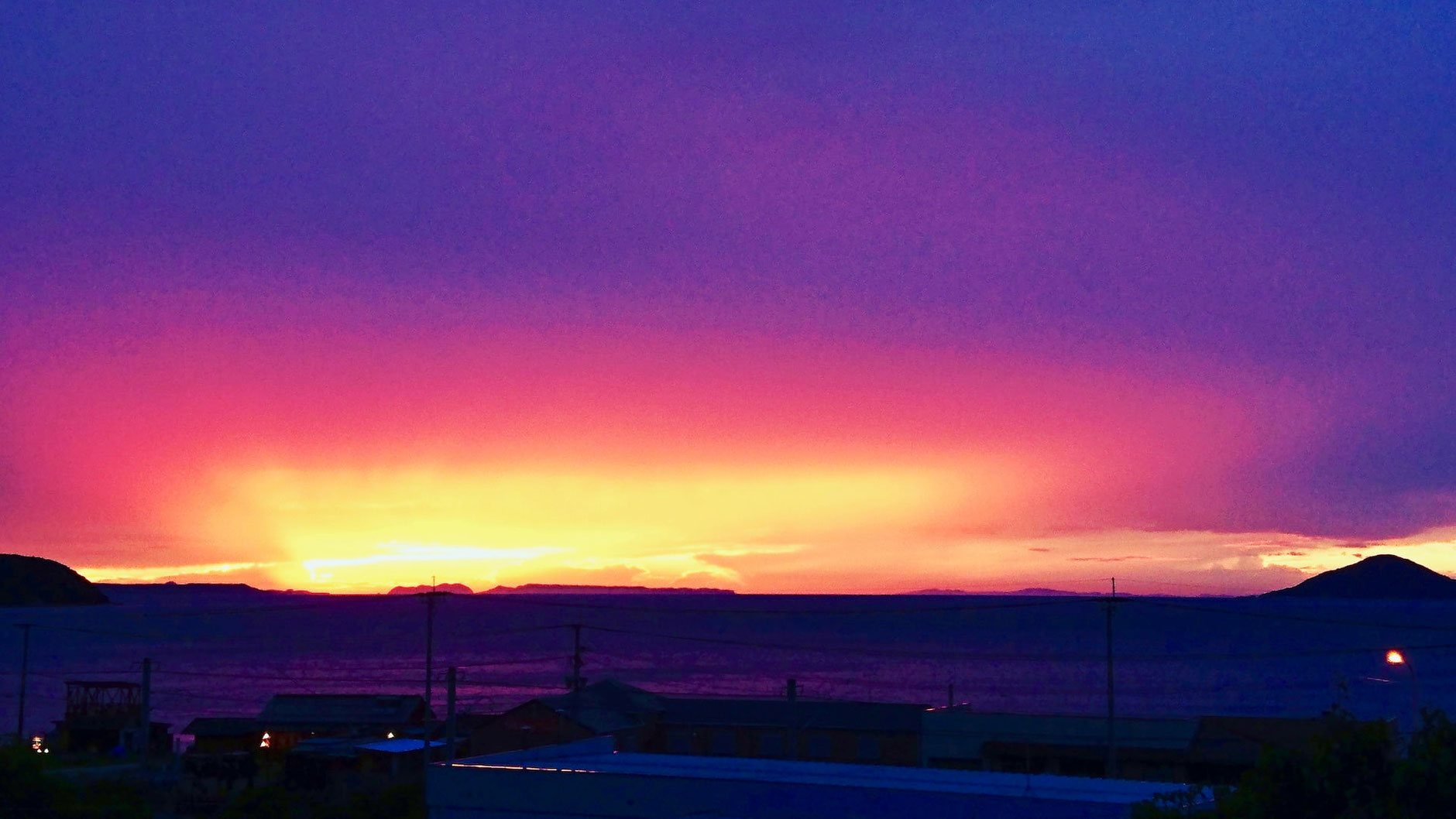
Purple Cloud: a Sign that Good Things Are about to Happen
Purple cloud is considered an auspicious sign that brings good fortune, and this was incorporated into the design of the "Good Fortune Guidance Charm (Michibiki-mamori)".
This spot is also featured as a sunset viewing spot in "A Guide to Scenic Temples and Shrines Across Japan," and in the evening, a mystical 360-degree panoramic view of the sunset and the magic hour unfolds before you.
Photo taken on September 13, 2017

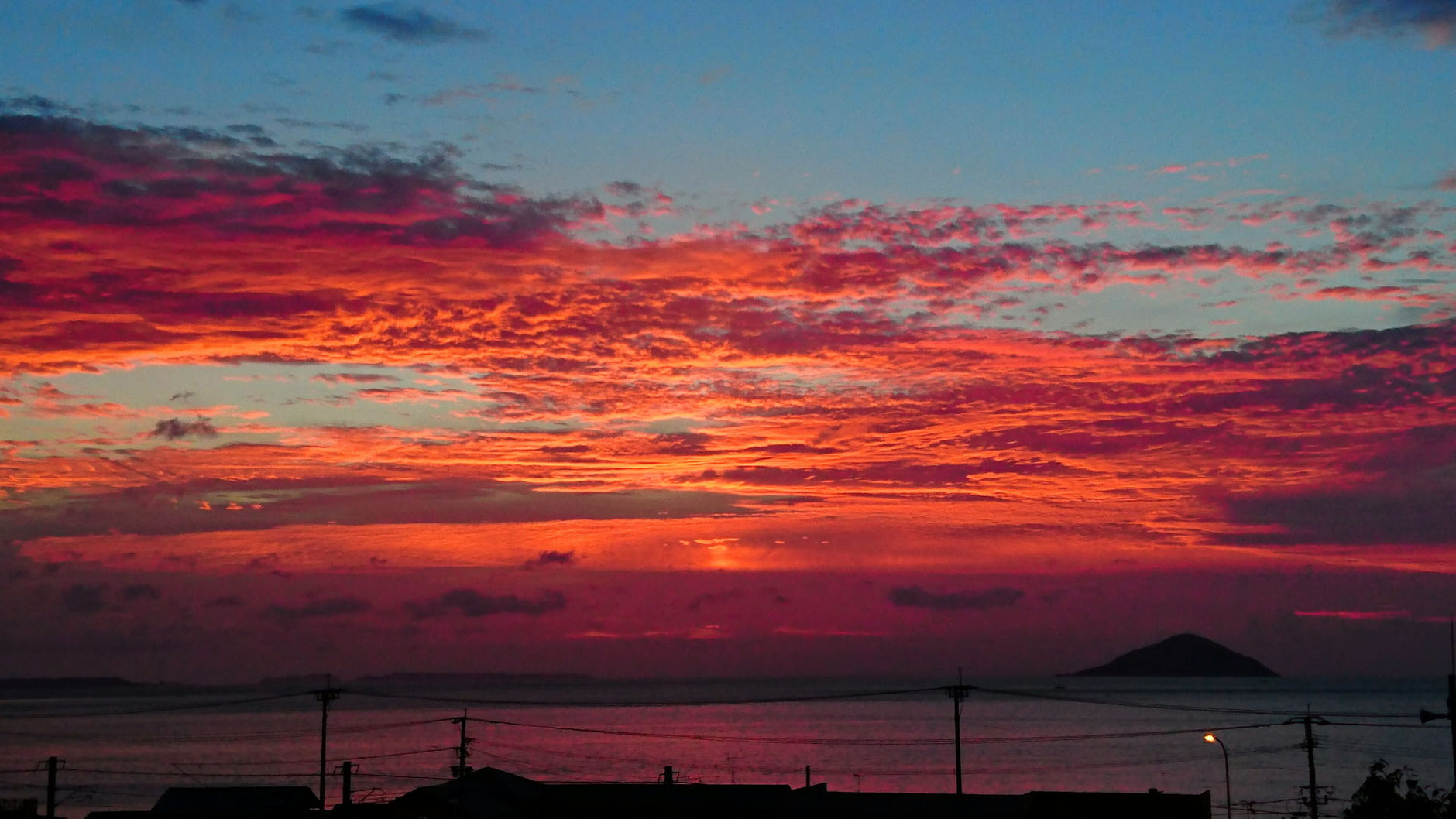
Contrail

Contrail
The sky above Chinkaiseki Hachimangu is the route of airplanes, so you can see contrails.
Designed as a "Safety Charm" for overseas travel, traffic of the land, sea, and air.
Above: Photo taken on June 6, 2017
Middle: Photo taken on August 3, 2023
Under: Photo taken on March 13, 2024
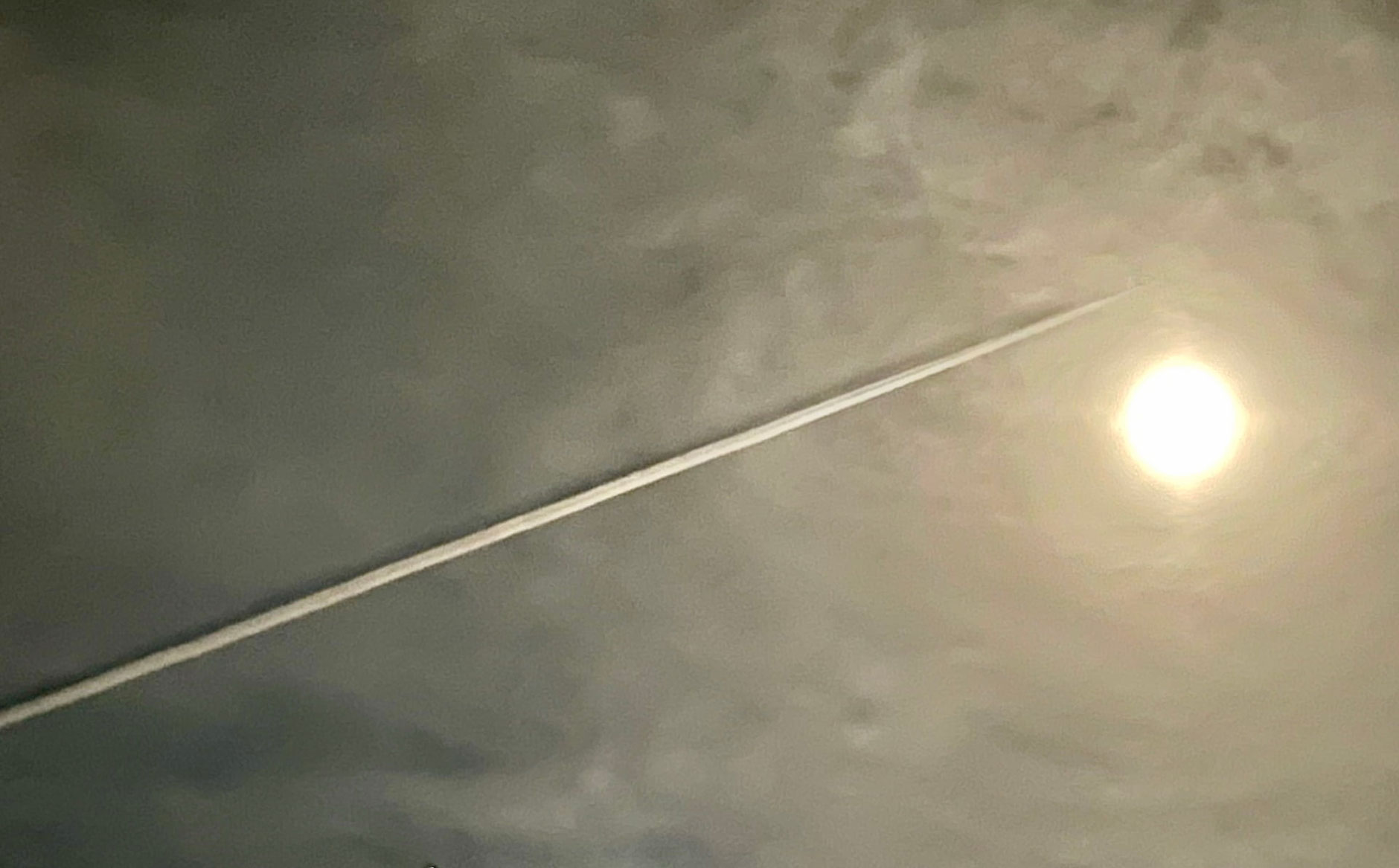
A Contrail Illuminated by Moonlight
The full moon of the Mid-Autumn Festival floats in the night sky. Contrails illuminated by the moonlight paint a fantastical trail.
The chosen location of Chinkaiseki Hachimangu Shrine suggests that it holds the potential for a "miraculous moment" that may one day be witnessed.
Photo taken on September 29, 2023
Fukae Beach Where Empress Jingu Found the Chinkaiseki Stones

Fukae Beach
This is the beach where Empress Jingu found the Chinkaiseki stone.
Based on this legend, the history of Umi Hachimangu Shrine in Itoshima records that during the Nara period (710-794) and the Heian period (794-1185), a seven-day grand festival was held at Umi Hachimangu in September. Three portable shrines were carried in a procession to Kobukigahara Beach (now Fukae Beach), where Chinkaiseki Hachimangu is located.
Kobukigahara Beach is said to have been the site of major competitions, including sumo and yabusame, and was also the site of major tournaments from Chikuzen (the main region of present-day Fukuoka Prefecture) and Hizen (the current Saga and Nagasaki prefectures).
Photo taken on May 26, 2017
Spiritual Site Where Be Healed by Flowers

Seeing and Smelling Flowers Brings Peace of Mind and Body
Chinkaiseki Hachimangu Shrine is a spiritual site where you can be soothed by the sight and scent of seasonal flowers, and find inner peace and tranquility.
The head priest has planted fragrant flowering trees and shrubs, hoping that the shrine will be a place where people can find peace of mind in their daily lives. The shrine grounds are maintained so that flowers bloom continuously throughout the year, creating a continuous relay of blossoms.
Chinkaiseki Hachimangu Shrine, which has been revered as a shrine for fertility since ancient times, hopes to be a place where those struggling with infertility can find healing in nature and peacefully pray for a new life.
<Media, Events>
Media Appearances
TV Show
HONDA "Dream Cruise" TVQ
Broadcast on December 26, 2019
Chinkaiseki Hachimangu was featured as a sightseeing drive destination on a Honda Motor Co. (Honda Motor Co.) tourism television program.
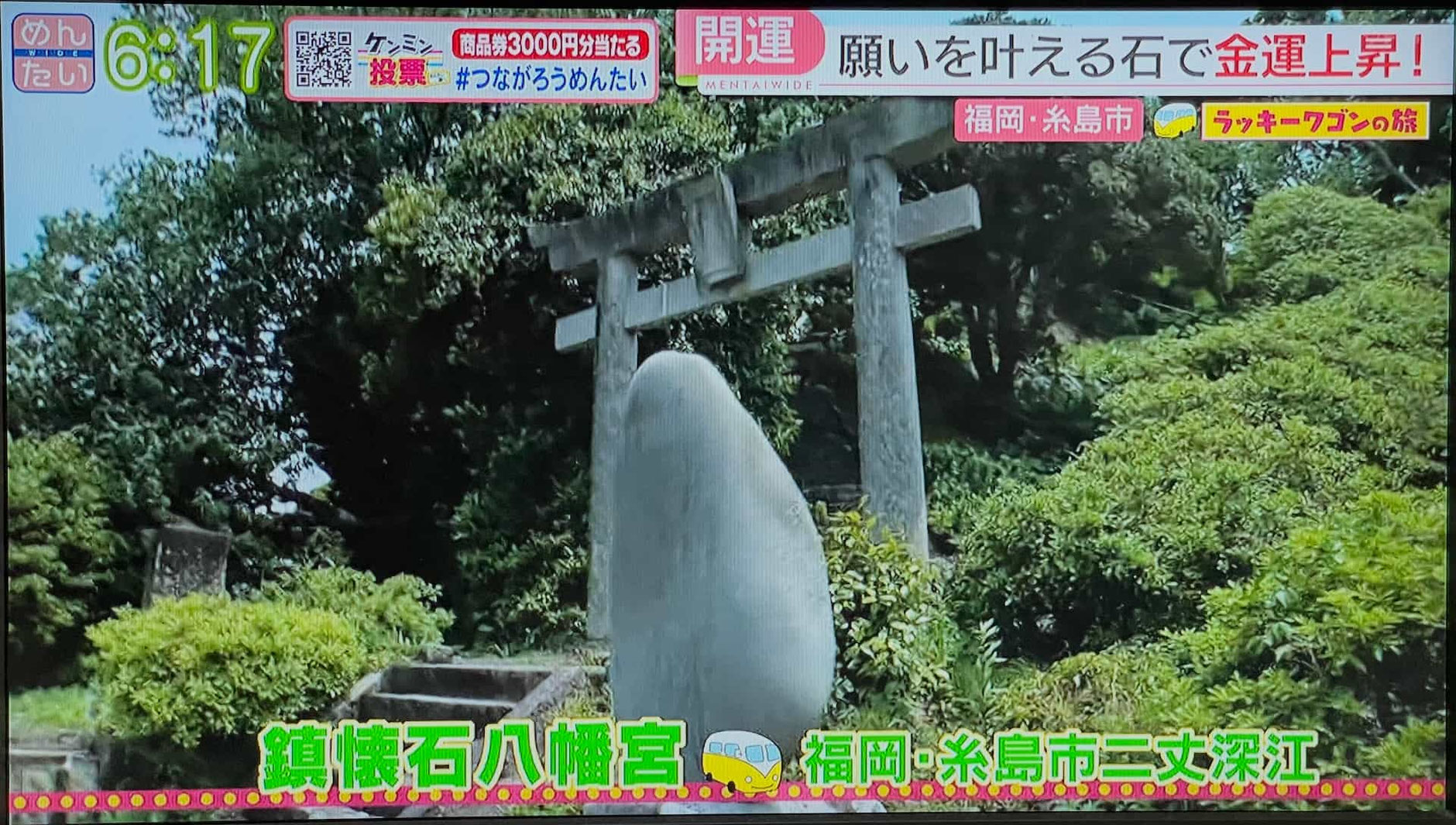
"Mentai Wide" (FBS Fukuoka Broadcasting)
Aired June 5, 2025
"Good Fortune: Increase Your Financial Luck with a Wish-Granting Stone!"
FBS TV's *Mentai Wide* featured Konpira Shrine, located within the grounds of Chinkaiseki Hachimangu Shrine, and its wish-granting stone, as a shrine for financial luck, guided by driver Masunaga in the "Lucky Wagon Trip" segment.

"Mentai Wide" FBS (Fukuoka Broadcasting System)
Broadcast on June 10, 2024
Hakoshima, a place lined with restaurants 100 years ago, was featured on television.
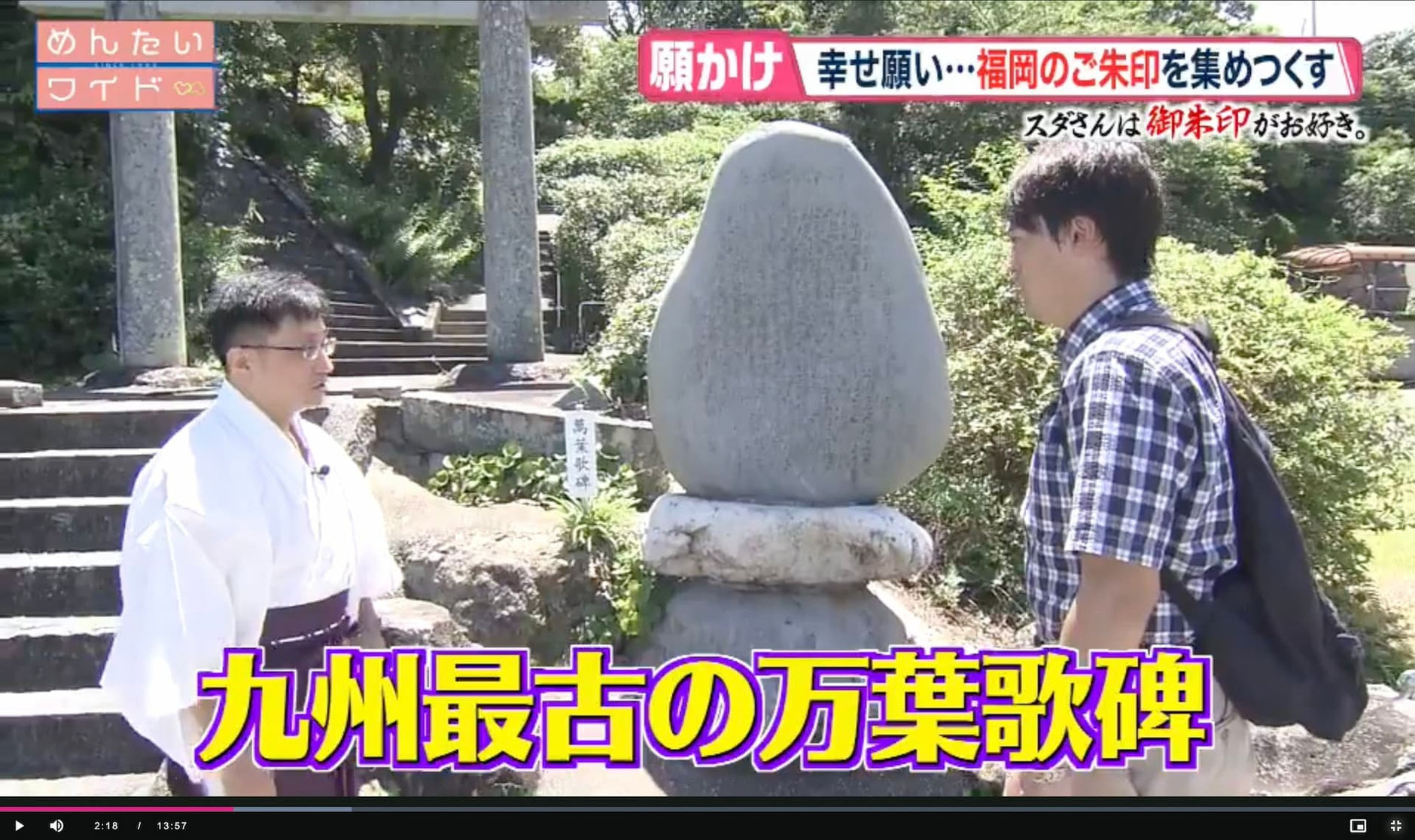
"Mentai Wide" FBS (Fukuoka Broadcasting System)
Broadcast on August 16, 2023
Chinkaiseki Hachimangu was featured as "A Shining Sunset in Itoshima: A Shrine with a Spectacular Seaside View" in a segment titled "Mr. Suda Loves Goshuin Stamps."

"Tanka de Heart-Pounding" NHK
Broadcast on December 29, 2019, February 9, 2020
A television crew visited our company to film the "Kyushu's Oldest Man'yo Poetry Monument" located within the grounds of Chinkaiseki Hachimangu.
Pictured are Yoshio Kojima, Hanna Kang, and Kazuhiro Ozawa of Speedwagon.
"Kisha no Chikara" (TNC Television Nishinippon)
Aired December 13, 2024
TNC TV's *Kisha no Chikara* featured Hakoshima Shrine in its "My Daily Exit Survey" segment on Nijōhama Kubo.
"The Power of Reporters" (TNC, Television Nishinippon)
Aired September 20, 2024
Chinkaiseki Hachimangu Shrine was featured on TNC Television's *The Power of Reporters* in the "My Daily Exit Poll" segment, as part of a special feature on Nijō Fukae.
"That's What I Want!" (TVQ Kyushu Broadcasting)
Aired July 31, 2022
Chinkaiseki Hachimangu Shrine was featured on TVQ Television's *That's What I Want!* segment as a sunset spot in Itoshima.
"Momochi Hama Store Special Report Live" (TNC, Nishinippon Television)
Aired March 31, 2021
Itoshima: Cherry Blossoms in Full Bloom Reflected in the Sunset, a Shrine Overlooking the Sea
This shrine was featured on television as a place where you can see cherry blossoms, the sea, and the sunset.
"Momochi Hama Store" TNC (Nishinippon Television)
Aired January 6, 2020
"Good Fortune Day Trip Tour 2020"
"Chinkaiseki Hachimangu Shrine, Rapidly Gaining Popularity in the Reiwa Era!" Chinkaiseki Hachimangu Shrine was featured on television as a good fortune spot.
"Discovery! The History of Chikushi: Travelers Through Time" J:COM Cable Television
Aired April 7, 2017
The Legend of Empress Jingu of Itoshima
"Chinkaiseki," as recorded in the Nihon Shoki (Chronicles of Japan), was featured on the program.
Goshuin Book
"Illustrated Guide to the Scenic Temples and Shrines of Japan"
Published on December 1, 2022
This shrine is featured on pages 286-287 of the book "Visit at Least Once in a Lifetime! An Illustrated Guide to Stunning Temples and Shrines Across Japan with Goshuin Stamps" as one of the most beautiful sunset spots in Japan.
"Visiting Fukuoka Shrines with Goshuin Stamps"
Published on December 9, 2020
Featured as one of the 107 shrines selected for goshuin in Fukuoka Prefecture.
The goshuin of Hakoshima Shrine is printed on the cover obi.
"Colorful! Cute! Everyone's Goshuin Collection"
Released July 26, 2019 by Yosensha
"Colorful and artistic! We've collected only the most beautiful goshuin stamps from all over Japan!"
Introducing 112 shrines selected from across the country.
Manga
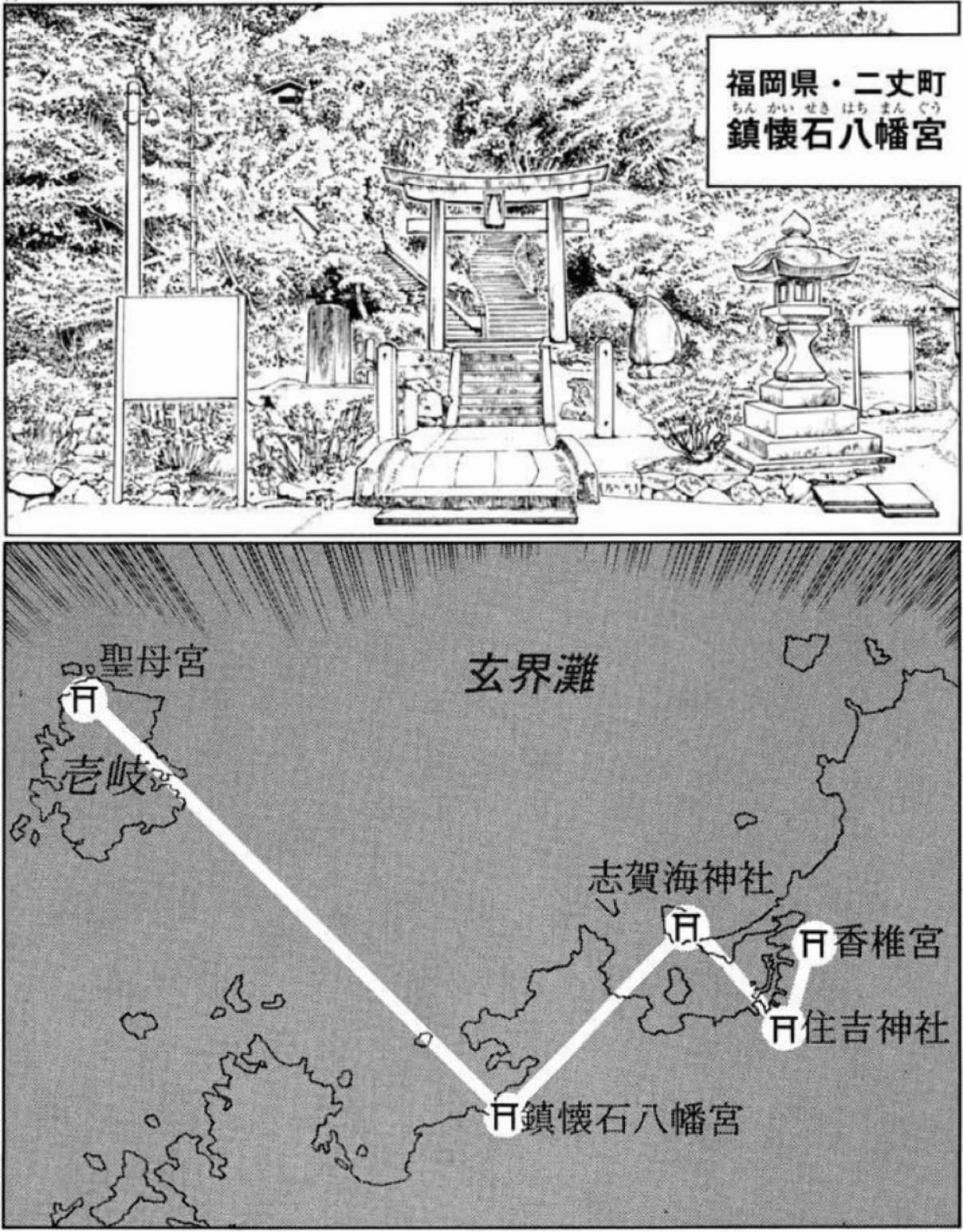
"Professor Munakata's Strange Thoughts 9"
Episode 3: "The Empress Constellation" - Shrines Connected by the Constellation Cassiopeia
Published October 2008
Chinkaiseki Hachimangu is depicted in the manga.
Book
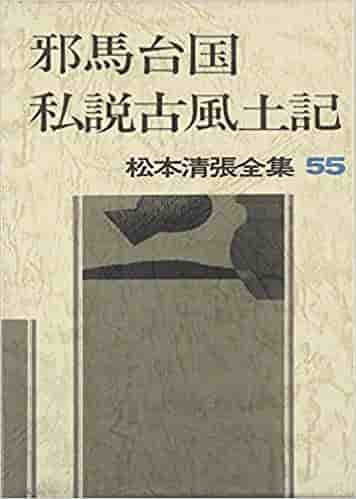
A Personal Account of Ancient Topography: "Chinkaiseki and Rinsho"
Matsumoto Seicho Visited Our Shrine in the 1970s
Famous author Matsumoto Seicho visited Chinkaiseki Hachimangu.
January 1977: Heibonsha's "Taiyo" magazine published
Currently published by Bungeishunju as "The Complete Works of Matsumoto Seicho 55: Yamataikoku: A Personal Account of Ancient Local History" (3,418 yen). His visit to Chinkaiseki Hachimangu is described in "Chinkaiseki Hachimangu and the Scarf" (pages 250-255).
"I heard that a conscripted soldier named Ishiuchi from my unit lived in Fukae, Fukuoka, and asked him if his village had a legend about Empress Jingu called Chinkaiseki..."
"On my way from Itazuke Airport in Fukuoka to Karatsu, I stopped off to see the Chinkaiseki..."
"Fukae was nearby. Chinkaiseki Hachimangu was located in the cedar forest a little way up the national highway."
Social Media
Annual Ceremony
[January 1st]: New Year's Year-End Festival at midnight
[April 4th]: 11:00 AM Prayer Festival
[First Sunday of July]: 5:00 AM - 7:00 AM River Festival in Fukae
[September 1st]: 11:00 AM Wind-Stopping Prayer Festival
[Last Saturday of September]: 11:00 AM Hojoe Festival
[December 7th]: 11:00 AM Niiname Festival (Harvest Thanksgiving Festival)
The JAPANESE page is here.
<Copyright>
All images, text, and website content on the official website of Chinkaiseki Hachimangu Shrine were created by the chief priest.
The copyright for the text and images belongs to Chinkaiseki Hachimangu Shrine.